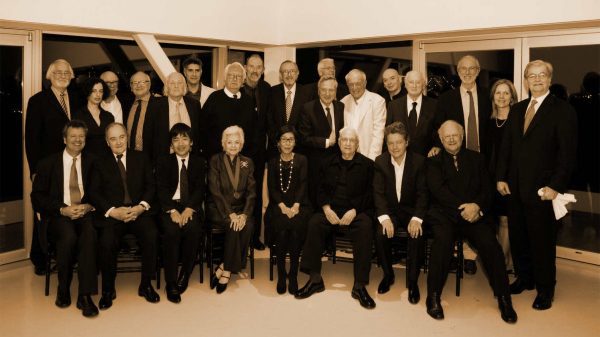
Frank Owen Gehry
Frank Gehry, the Canadian-American architect, born in Toronto 1929, occupies a central place in the evolution of contemporary architectural practice. Passing away yesterday, 5 December 2025, in Santa Monica at the age of ninety-six, he leaves behind an oeuvre that profoundly reshaped the production of architectural space at the turn of the twentieth and twenty-first centuries. Recipient of the Pritzker Prize in 1989, Gehry distinguished himself through an approach that intersects deconstructivist influences, contemporary artistic practice, and pioneering use of digital design technologies.
Frank Gehry’s characteristics
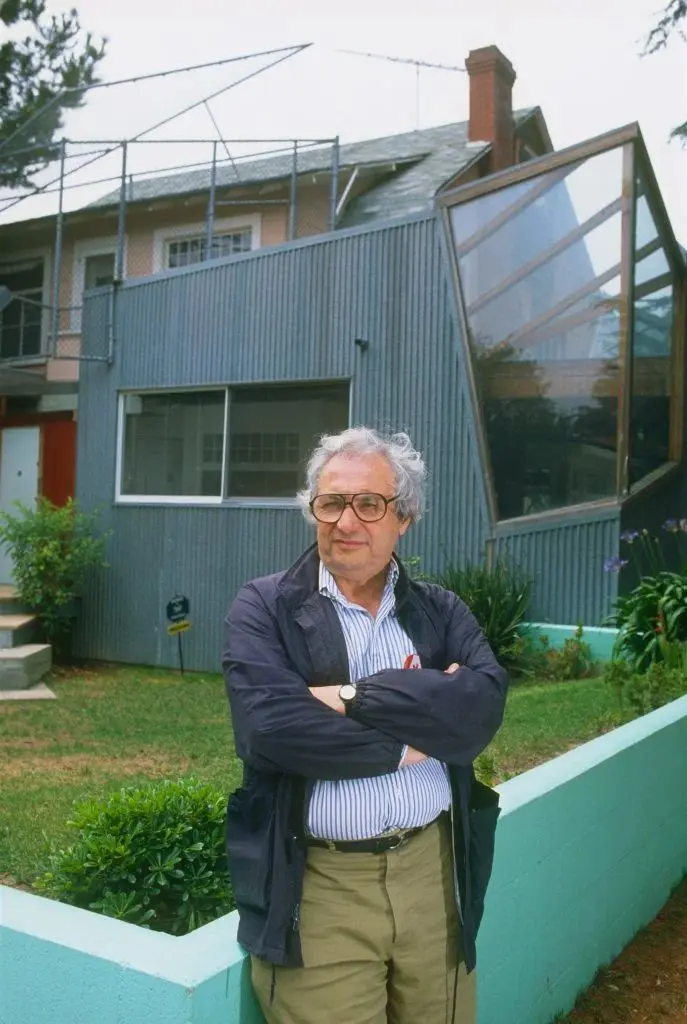
A defining aspect of Gehry’s trajectory is his non-hierarchical engagement with materials. Beginning in the 1970s, he developed a radical experimentation with so-called “non-noble” components, corrugated metal, wire mesh, plywood, deployed to challenge the boundaries between architecture, sculpture, and assemblage. His own residence in Santa Monica (1978), often regarded as a manifesto of this period, envelops a modest suburban house in a deliberately fragmented composition that destabilizes conventional expectations of domestic space. This strategy of intentional disjunction inaugurated an architectural logic based on tension, apparent incompletion, and the multiplication of spatial readings.
Gary’s world fame
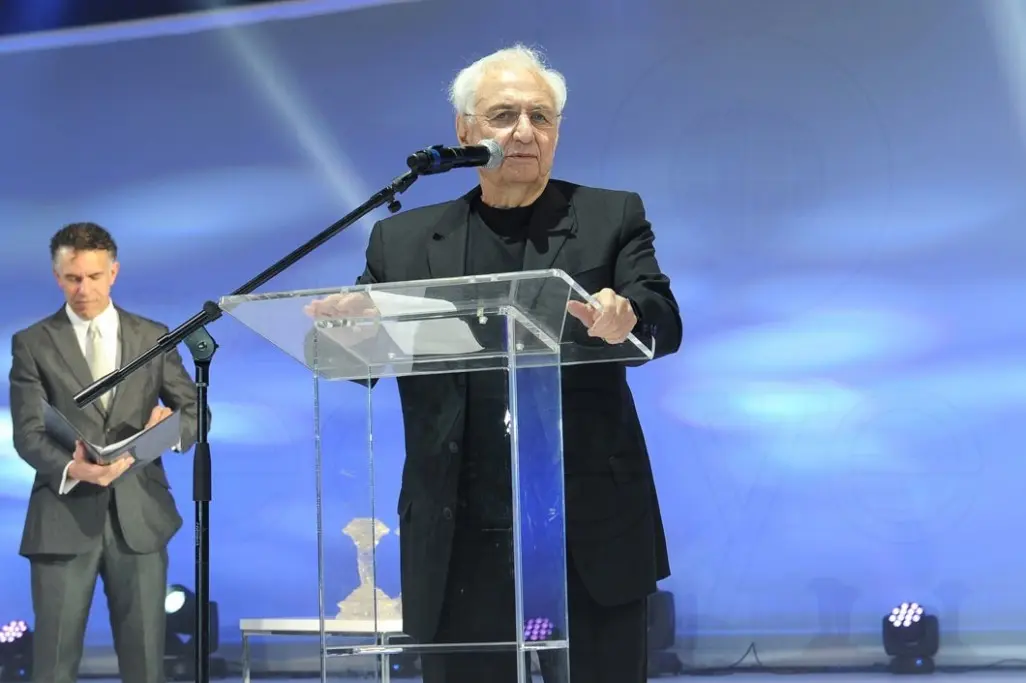
Gehry’s international consecration culminated in the Guggenheim Museum Bilbao (1997), a landmark that reshaped not only his career but architectural discourse more broadly. The museum’s sweeping titanium forms articulate a spatial vocabulary in which volumes appear liberated from traditional structural constraints. This formal fluidity, made possible by Gehry’s advanced use of aerospace-derived digital tools, established a new paradigm for architectural design: the precise control of geometric complexity as both artistic expression and catalyst of urban transformation. The so-called “Bilbao Effect” soon became a central topic in studies of contemporary urbanism.
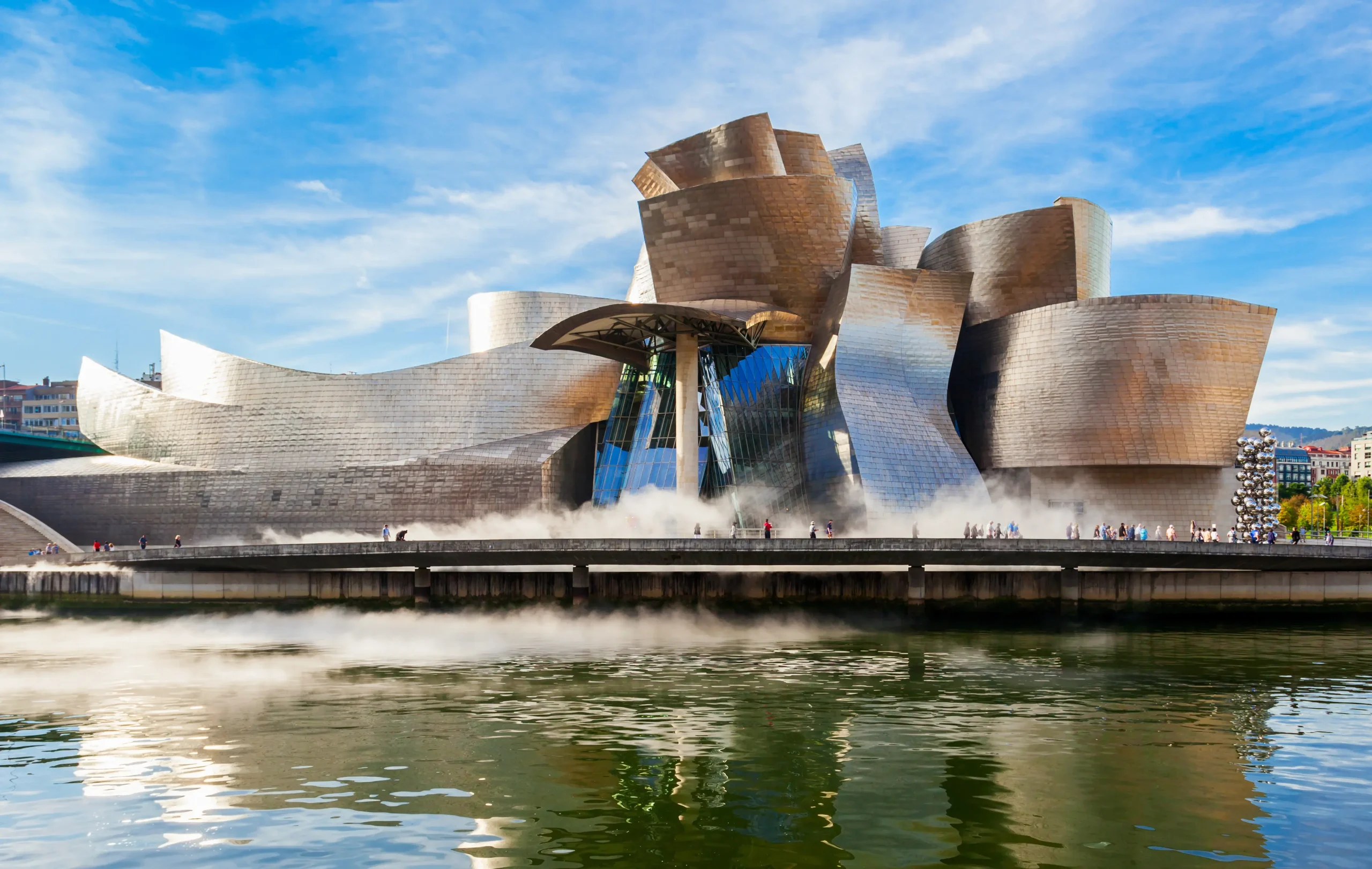
Notable works by Frank Gehry
Other major works, including the Walt Disney Concert Hall (Los Angeles, 2003) and the Fondation Louis Vuitton (Paris, 2014), reflect the maturation of Gehry’s language into a more refined synthesis of sculptural expressiveness, programmatic rigour, and technical performance. In these projects, materials such as stainless steel and glass become instruments for exploring relationships between lightness, movement, and monumentality. Each building demonstrates Gehry’s commitment to an architecture conceived as a perceptual, dynamic, and sensory experience.
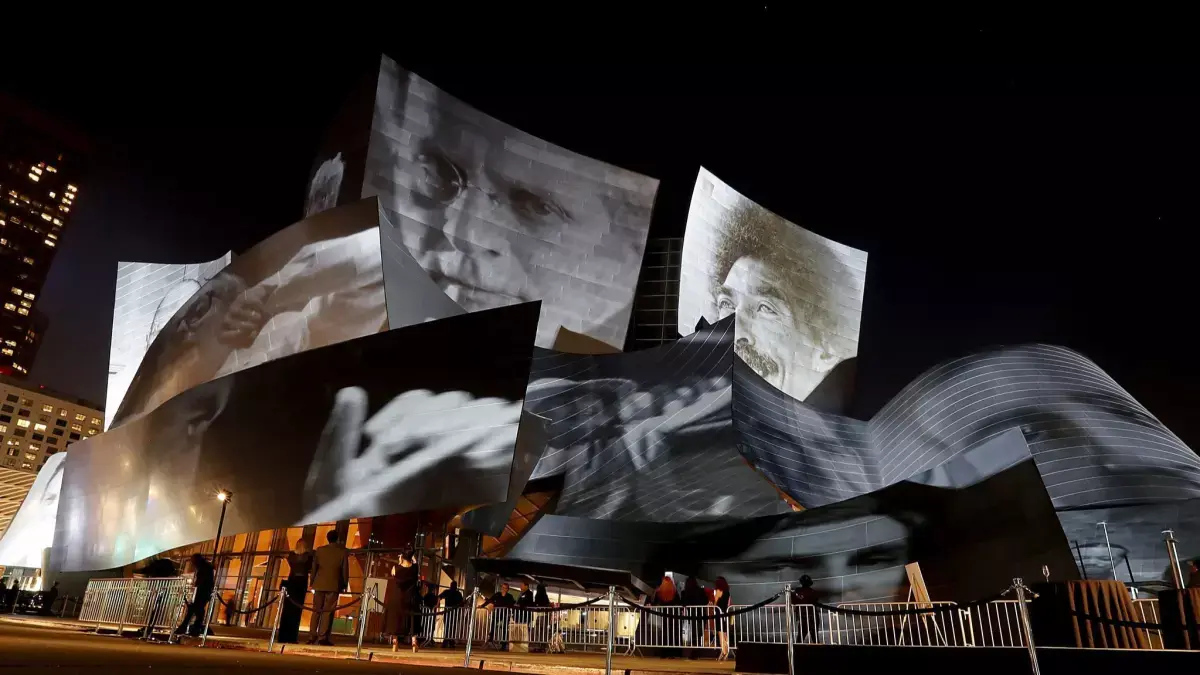
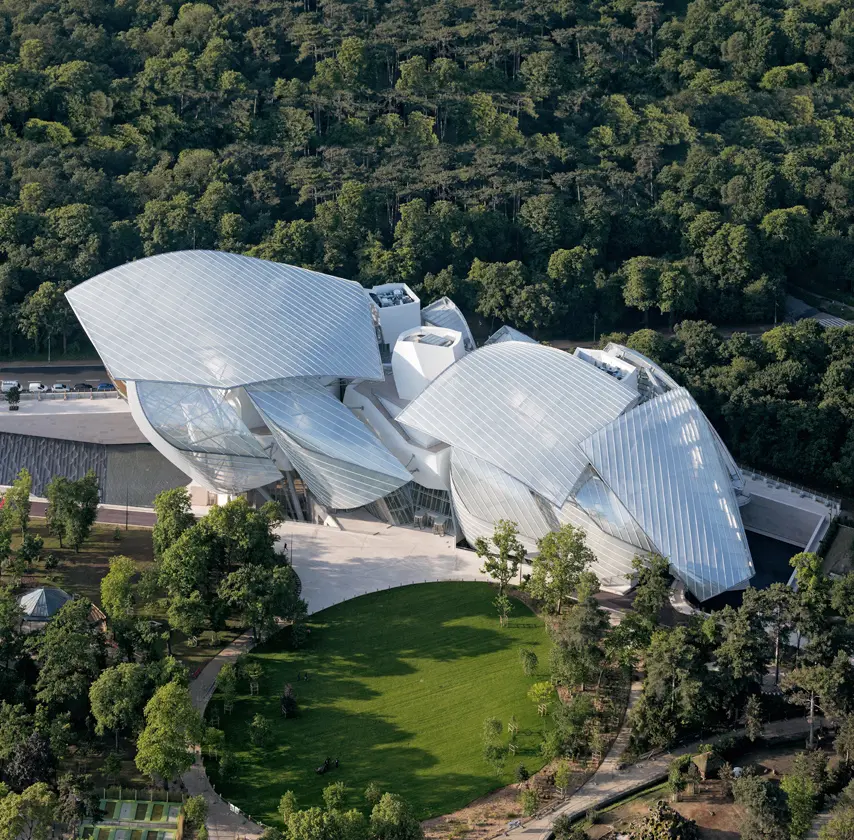
Through his work, Frank Gehry fundamentally renewed the understanding of architectural form and its narrative potential. His legacy endures as a vision of architecture that transcends functional constraints to become a cultural, critical, and poetic device, cementing his status as one of the most influential architects of the contemporary era.
_________________________________
We sincerely appreciate your feedback and look forward to hearing your valuable insights.
Join our community.
Connect, share, and grow with us across our social platforms.
Why follow us?
Exclusive Content: Access to original insights and specialised commentary.
Interactive Discussions: Your perspective matters to us.
Up-to-date Interdisciplinary Articles: Curated translations and analyses across the fields of art, architecture and urbanism, design, fashion and apparel design, and industrial design (including automotive, furniture, and motorcycle design).
Follow us on our social media platforms.
Do not miss the opportunity—use the links below to connect with us.
Visit the AADjournal and AADzign Instagram pages.
Join the AADjournal Telegram channel.
Visit the AADzign Pinterest page.
Visit the AADzign LinkedIn page.
Social Media Contact Information
Telegram Admin (Journal): AAD_journal
WhatsApp Admin (Journal): AADzign
_________________________________